
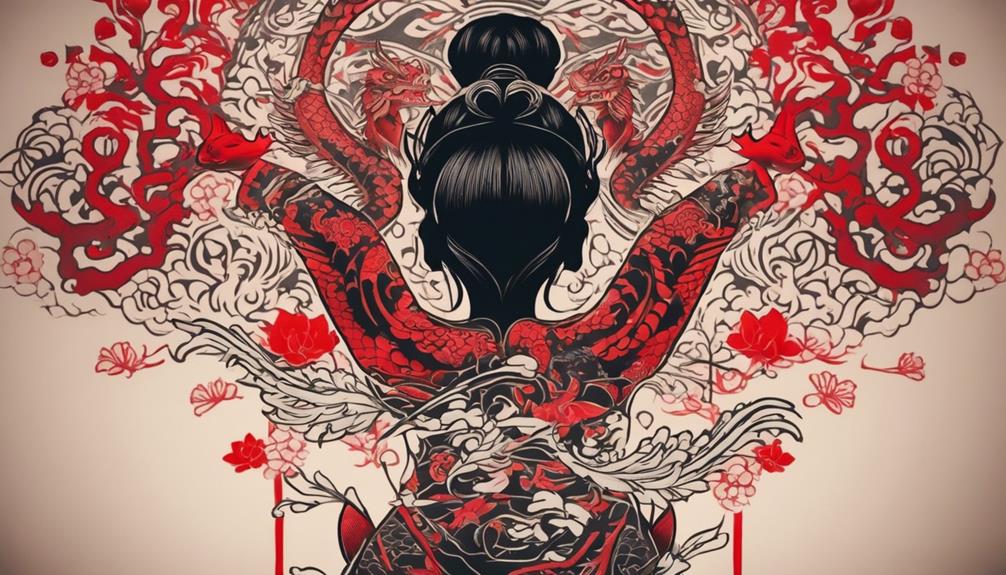
Japanese tribal tattoos on the back showcase personal identity and cultural appreciation. These designs often include koi fish, cherry blossoms, dragons, and waves, each carrying deep symbolism.
The back serves as an ideal canvas for large, balanced compositions that complement body contours. Artists use bold black outlines and carefully chosen colors to create meaningful pieces.
When considering a Japanese tribal tattoo, think about placement, symbolism, and color palette. Choosing a skilled artist is crucial for creating an authentic Japanese style tattoo that aligns with your vision.
These tattoos blend traditional Japanese art with modern tattooing techniques. They often tell stories or represent personal values through carefully selected imagery and design elements.
The popularity of Japanese tribal tattoos has grown in recent years as more people seek to express their individuality through body art. However, it's important to research the cultural significance of chosen symbols to ensure respectful representation.
Table of Contents Toggle
- Key Takeaways
- Symbolism in Japanese Tribal Designs
- Koi Fish: Strength and Perseverance
- Cherry Blossoms: Beauty and Impermanence
- Dragons: Power and Wisdom
- Waves: Life's Ebb and Flow
- Samurai: Honor and Loyalty
- Placement and Composition Considerations
- Color Palette for Japanese Tattoos
- Finding the Right Tattoo Artist
- Frequently Asked Questions
- How Long Does a Full Japanese Back Tattoo Typically Take to Complete?
- Are There Any Specific Aftercare Instructions for Japanese-Style Tattoos?
- Can Japanese Tribal Designs Be Combined With Other Tattoo Styles?
- What's the Average Cost Range for a Large Japanese Back Tattoo?
- Are There Any Cultural Considerations When Getting a Japanese-Inspired Tattoo?
Key Takeaways
• Choose powerful Japanese symbols for back tattoos
Japanese back tattoos often feature koi, dragons, or blossoms.
• Use entire back as canvas
Spine serves as central axis for balanced tattoo composition.
• Find experienced artist for authentic work
Skilled tattoo artists ensure high-quality Japanese-style designs.
Symbolism in Japanese Tribal Designs
Japanese Tribal Designs: Symbols of Culture and Meaning
Koi fish in Japanese designs represent perseverance and strength. These symbols show the fish swimming against currents, highlighting the idea of overcoming challenges.
Kamon family crests connect wearers to their ancestry. These visual symbols showcase heritage and social status in Japanese tradition.
Hannya masks portray complex human emotions. They're believed to protect against evil forces, adding depth to tribal designs.
Tengu, mythical bird-like creatures, symbolize courage and martial skill. People who wear Tengu designs often seek to embody these traits.
Kikusui chrysanthemums stand for longevity and loyalty. This flower holds significant value in Japanese culture, representing honor and devotion.
These symbols create meaningful narratives in tribal designs. Wearers often choose these elements to express personal values and cultural ties.
Modern interpretations of these designs blend tradition with contemporary style. Artists continue to find new ways to incorporate these timeless symbols into their work.
The popularity of Japanese tribal designs extends beyond Japan. People worldwide appreciate the depth and beauty of these cultural motifs.
Understanding the meanings behind these symbols enriches the experience of wearing or viewing Japanese tribal art. It connects people to centuries-old traditions and values.
Koi Fish: Strength and Perseverance
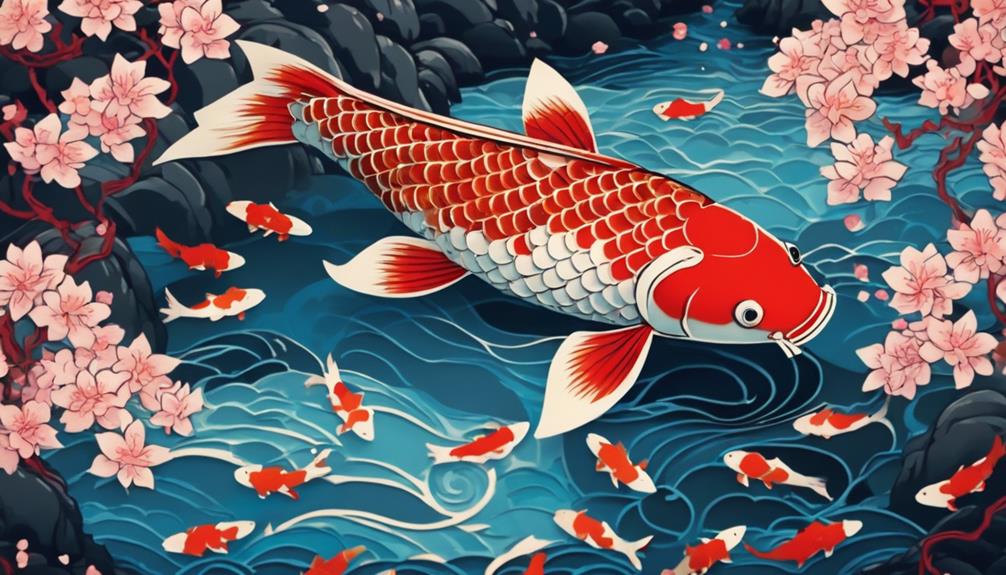
Koi fish tattoos in Japanese tribal art represent strength and perseverance.
These designs often feature bold Blackwork patterns highlighting the fish's scales and flowing shape.
The koi's journey from fish to dragon in mythology symbolizes personal growth and resilience.
Artists use koi back pieces to create expansive, meaningful compositions.
Koi tattoos often include elements like waves or cherry blossoms, blending symbolism with aesthetics.
These intricate designs carry deep cultural significance and personal meaning for many tattoo enthusiasts.
Koi Symbolism in Tattoos
Koi fish tattoos have become popular symbols in Japanese-inspired body art. These colorful creatures represent strength and perseverance, drawing tattoo enthusiasts worldwide.
Koi tattoos often depict the Japanese legend of a fish transforming into a dragon. This symbolizes overcoming challenges and personal development.
The colors of koi tattoos hold significance. Red represents love and strength, black signifies overcoming obstacles, and gold symbolizes wealth. Water elements in the design add depth to the tattoo's meaning.
Koi tattoos blend well with various styles, from traditional Irezumi to modern interpretations. The incorporation of waves or ripples creates a dynamic interaction between the koi and its surroundings.
These tattoos offer a meaningful way for individuals to express their personal journey. The koi's graceful movements and vibrant appearance make for visually striking body art.
Designing Koi Back Pieces
Koi Back Piece Design
Large-scale koi tattoos span the entire back, showcasing the fish's legendary strength through flowing designs. These pieces often include water elements like waves or waterfalls, creating a dynamic environment for the koi. Artists carefully consider body contours to ensure the koi's movement appears natural across the skin.
Color Choice and Symbolism
Traditional Japanese techniques bring koi to life with vibrant oranges, deep reds, and shimmering whites. Each hue carries symbolic meaning. Meticulously rendered scales create texture and dimensionality, enhancing the tattoo's impact.
Complementary Elements
Cherry blossoms, lotus flowers, or Japanese clouds often accompany koi designs. These motifs balance the composition and add layers of symbolism. The wearer's back becomes a living artwork embodying perseverance and transformation.
Cherry Blossoms: Beauty and Impermanence
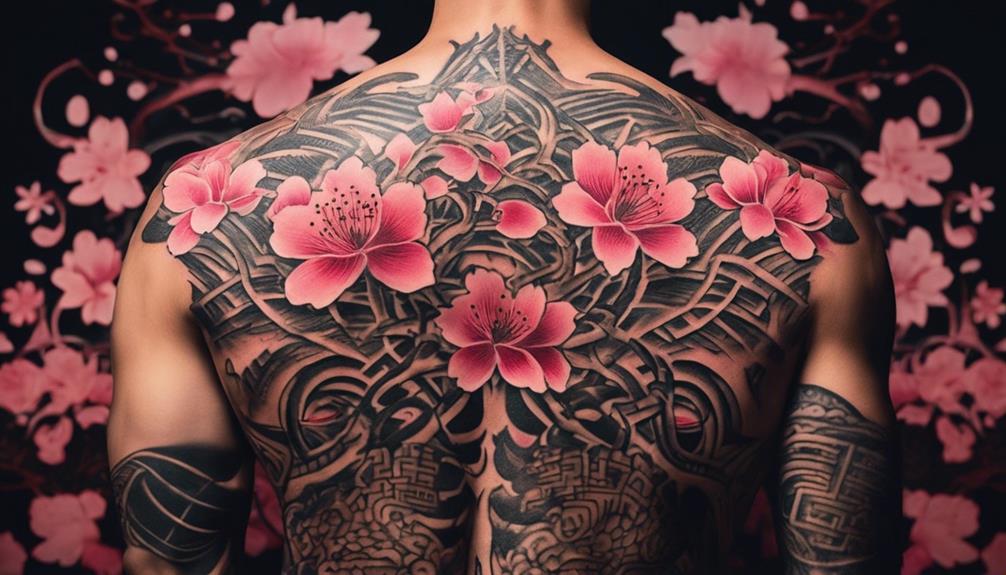
Cherry Blossoms: Transient Beauty
Cherry blossoms hold a special place in Japanese culture, symbolizing life's fleeting nature and spring's arrival.
Their brief blooming period, known as 'mono no aware,' inspires many tattoo designs that blend visual appeal with deep meaning.
The yearly flowering of these graceful blossoms is carefully tracked through 'sakura zensen,' offering a rich seasonal significance.
This tradition resonates strongly with individuals seeking to honor Japanese heritage through body art.
Cherry blossom tattoos often represent renewal and change, mirroring the cyclical nature of the seasons.
Artists frequently incorporate other elements like birds or water to create intricate designs that tell a personal story or reflect broader cultural themes.
Symbolism in Japanese Culture
Sakura Blossoms and Cultural Symbolism
The sakura, or cherry blossom, holds a special place in Japanese culture. It represents the concept of mono no aware, highlighting the fleeting nature of life and beauty.
Japanese symbolism goes beyond flowers. Cranes signify long life and luck, while koi fish represent determination.
Mount Fuji stands as a powerful symbol of Japan's natural beauty and spiritual significance.
Colors carry deep meaning in Japanese tradition. White represents purity and mourning, red signifies energy and fortune, and purple denotes nobility. Even numbers play a role, with odd numbers considered lucky and even numbers linked to mourning.
This intricate system of symbols showcases the Japanese appreciation for nuance and layered meanings. It enriches their cultural expression and provides insight into their worldview.
Japanese symbolism reflects a deep connection to nature, spirituality, and the passing of time. Understanding these symbols offers a glimpse into the complexities of Japanese culture and thought.
Tattoo Design Inspiration
Cherry Blossom Tattoo Artistry
Sakura tattoos capture life's fleeting beauty in ink. These designs blend symbolism and grace, embodying the Japanese concept of mono no aware—appreciating life's transient nature.
Tattoo artists use various techniques to bring cherry blossoms to life on skin. Soft pink hues and intricate line work recreate the flowers' delicate appearance.
Some opt for lush, vibrant scenes, while others prefer minimalist designs with sparse branches.
Wind-swept or falling petals add movement to tattoos. This dynamic element reinforces themes of impermanence and change.
Artists carefully balance color, detail, and composition to create meaningful, personal designs.
Cherry blossom tattoos offer versatility in size and placement. Small, single blossoms work well for subtle designs, while larger pieces can cover entire body areas.
Popular locations include shoulders, back, and arms.
The cultural significance of sakura extends beyond aesthetics. In Japan, these blossoms symbolize renewal and the fleeting nature of life.
This deeper meaning resonates with many who choose cherry blossom tattoos.
Seasonal Significance Explored
Cherry Blossoms: A Symbol of Fleeting Beauty
Japan's cherry blossom season showcases the country's appreciation for impermanence. These pink blooms, called sakura, remind viewers of life's temporary nature and cyclical patterns.
Japanese Tribal Tattoo Art
Skilled tattoo artists incorporate cherry blossom motifs into back pieces, blending traditional and modern styles. These designs often feature stylized petals, branches, and buds alongside other meaningful imagery.
Significance in Body Art
Cherry blossoms in tribal tattoos add visual appeal and deeper meaning. They represent the wearer's understanding of life's transient moments and the importance of appreciating the present.
Cultural Impact
The seasonal appearance of cherry blossoms prompts reflection on life's impermanence. This natural phenomenon encourages people to find beauty in fleeting experiences and embrace the present moment.
Dragons: Power and Wisdom

Dragons in Japanese Lore
Dragons hold a special place in Japanese tribal traditions. These mythical beings represent power, wisdom, and natural forces.
Dragon Tattoos and Symbolism
When inked on the body, dragon tattoos connect wearers to ancient customs. The creature's body shows flexibility, while its claws stand for protection. Artists often include a pearl in the dragon's grasp, representing enlightenment.
Meaningful Design Elements
Tribal-style tattoos turn these symbols into bold, geometric shapes.
Color Significance
Blue dragons relate to water, green to growth, and gold or red to fortune. These hues add depth to the tattoo's meaning.
Back Tattoos
Placing a dragon tattoo on the back allows for a large, impressive design. This location showcases the dragon's grandeur and spiritual importance.
Waves: Life's Ebb and Flow

Waves in Japanese Tribal Art
Japanese tribal art often features waves as a powerful symbol. These designs represent life's constant changes and challenges.
Artists use bold, sweeping lines to show the ocean's movement, reflecting Japan's island nature.
Wave tattoos on the back carry deep meaning. They show a person's ability to adapt and stay strong through tough times.
The patterns can range from small ripples to huge waves, each telling its own story.
Wave designs are popular because they're flexible and full of energy.
Many artists mix waves with other Japanese symbols like cherry blossoms or koi fish.
These complex tattoos aren't just beautiful; they also remind the wearer to stay calm as life changes.
Samurai: Honor and Loyalty

The samurai warrior class epitomizes honor and loyalty in Japanese culture. Their code of bushido shaped traditions and art for centuries, emphasizing courage, integrity, and service to their lords. This influence extends beyond combat, shaping Japanese society and cultural identity.
Traditional Japanese tattoo art, irezumi, often portrays samurai imagery. These designs feature warriors in armor with katana swords, symbolizing strength and dedication. Artists incorporate elements like cherry blossoms and koi fish to represent life's transience and personal growth.
Samurai aesthetics have left a lasting impact on Japanese art forms. From their armor's elegance to the refined tea ceremony, their legacy continues to inspire. Modern artists and tattoo masters draw from samurai symbolism to create meaningful body art honoring Japan's heritage.
The code of bushido guides samurai behavior and decision-making. It emphasizes virtues such as rectitude, courage, benevolence, respect, honesty, honor, and loyalty. These principles shaped not only the warriors' conduct but also influenced broader Japanese society.
Samurai weapons, particularly the katana sword, hold great significance. Skilled craftsmen forge these blades using traditional techniques, creating weapons of both practical use and artistic value. The care and respect given to these swords reflect the samurai's dedication to their craft.
The samurai class's influence extends to literature and philosophy. Many samurai were accomplished poets and scholars, contributing to Japan's intellectual traditions. Their writings often explore themes of duty, mortality, and the nature of honor.
Bushido's principles continue to resonate in modern Japan. Business practices, sports, and personal conduct often reflect these traditional values. This enduring influence showcases the samurai's lasting impact on Japanese culture and identity.
Placement and Composition Considerations
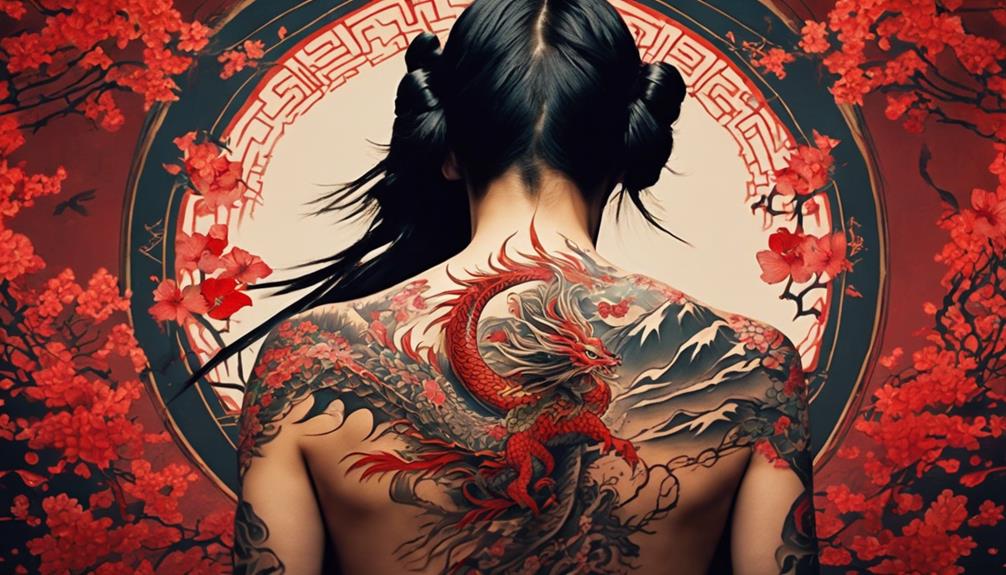
Japanese Tribal Back Tattoos: Artful Placement
The back offers an ideal canvas for intricate Japanese tribal tattoos.
Artists often use the spine as a central axis, creating balance and harmony in the design.
Large motifs like dragons or koi fish typically occupy the upper back, while smaller patterns fill lower areas.
Body contours play a crucial role in tattoo placement.
Shoulder blades and the lower back curve provide natural focal points for circular or radial designs.
Negative space is essential to prevent clutter and allow the skin to breathe.
This balance results in a stunning artwork that honors cultural traditions.
Careful consideration of placement and composition maximizes the visual impact of Japanese tribal tattoos.
The design should complement the wearer's physique while incorporating symbolic elements.
Color Palette for Japanese Tattoos
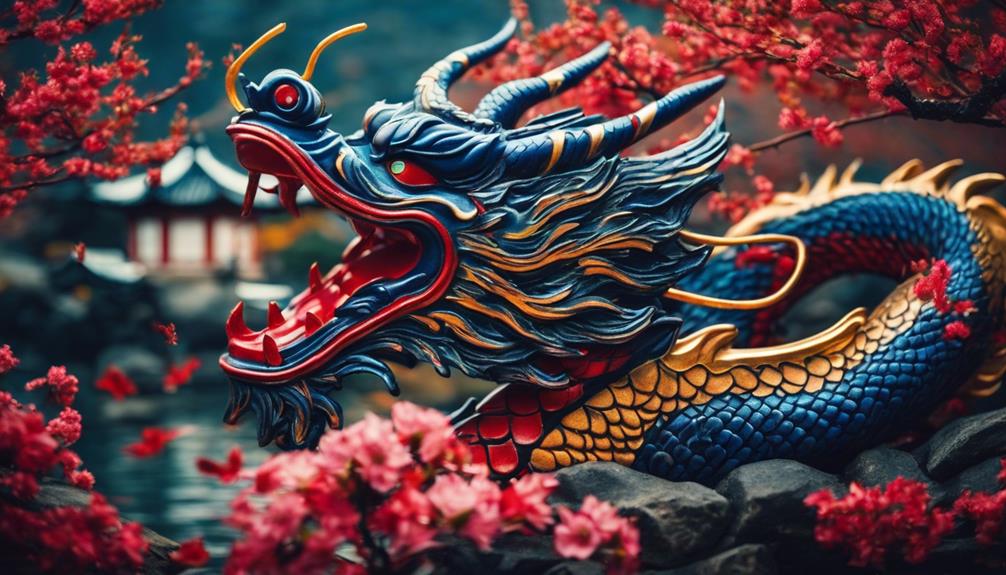
Japanese Tribal Tattoos: A Palette of Meaning
The color choices in Japanese tribal tattoos carry deep cultural significance. Artists use a limited range of hues, focusing on bold black outlines for structure. This approach creates elegant designs with subtle, earthy tones.
Red plays a crucial role in these tattoos, representing energy and courage. It's often used for eye-catching accents within the overall design.
Other colors like orange, green, blue, and purple appear sparingly to add depth. Selecting colors for Japanese tattoos requires extensive knowledge of cultural context. Each shade evokes specific emotions tied to Japan's heritage.
The careful balance of color against black ink foundations results in visually striking artwork. This color palette reflects the timeless appeal of Japanese tribal art.
It showcases the artists' skill in creating harmonious designs that resonate with viewers. The restrained use of color emphasizes the intricate patterns and symbolic elements within each tattoo.
Finding the Right Tattoo Artist
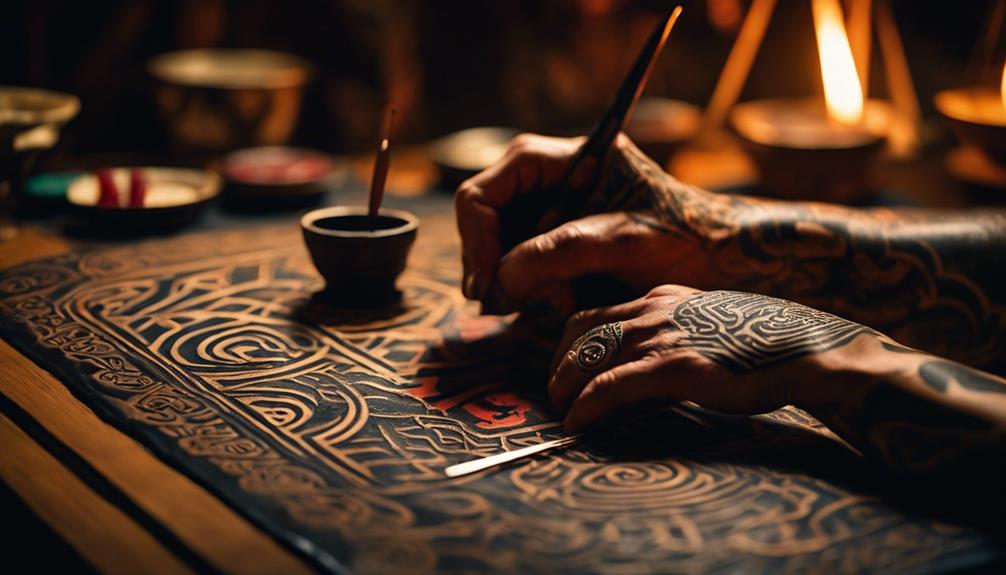
Choosing Your Japanese Tribal Tattoo Artist
Finding the ideal artist for your Japanese tribal tattoo requires thorough research and careful consideration. With many tattoo professionals available today, the selection process can be both thrilling and challenging.
Start by examining portfolios of artists who focus on Japanese-style tattoos, especially those experienced in tribal designs. Check for clean linework, well-balanced compositions, and a thorough grasp of traditional Japanese imagery.
Instagram and tattoo events often showcase talented artists in this field.
After narrowing down your options, book consultations to share your ideas and evaluate their expertise. A competent artist will provide advice on design placement, size, and incorporating traditional elements while maintaining your personal style. Pay close attention to how they communicate and their willingness to work with your vision.
Take into account the artist's standing in the community, studio cleanliness, and safety practices. High-quality work often comes with a higher price tag, so be ready to invest in your chosen artist's skills and experience.
Frequently Asked Questions
How Long Does a Full Japanese Back Tattoo Typically Take to Complete?
Japanese back tattoos take 60-100 hours to complete.
Sessions spread over 1-2 years for full irezumi design.
Are There Any Specific Aftercare Instructions for Japanese-Style Tattoos?
Clean tattoo per artist's guidance daily.
Keep skin moisturized and out of sunlight.
Key points: Clean, moisturize, and protect your new Japanese-style tattoo.
Can Japanese Tribal Designs Be Combined With Other Tattoo Styles?
Japanese tribal tattoos mix with other styles.
Artists blend traditional and modern designs.
What's the Average Cost Range for a Large Japanese Back Tattoo?
Large Japanese back tattoos cost $2,000-$7,000.
Artist skill and design complexity affect price.
Are There Any Cultural Considerations When Getting a Japanese-Inspired Tattoo?
Research Japanese symbols and their meanings thoroughly.
Choose a tattoo artist familiar with Japanese culture.