
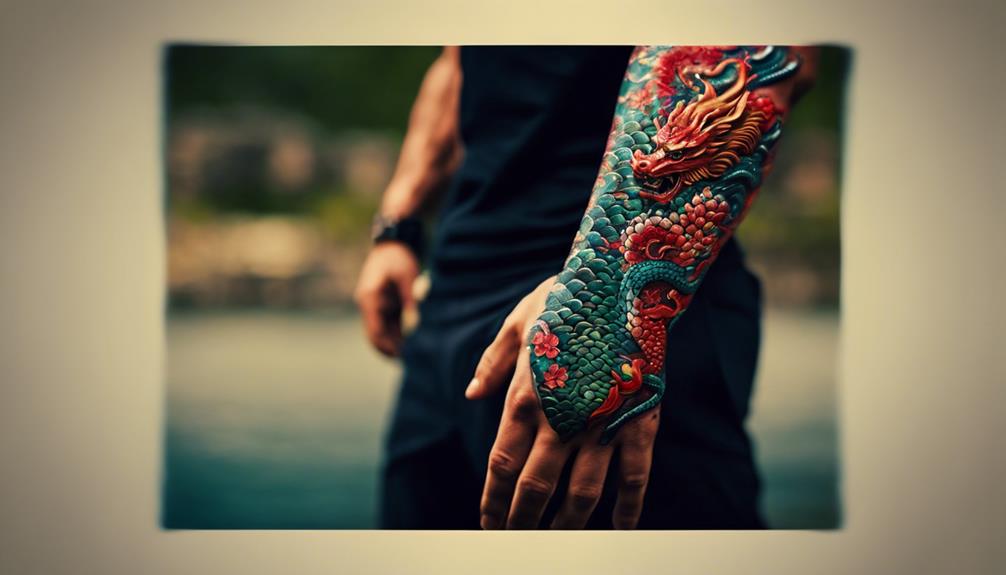
Traditional Japanese forearm dragon tattoos blend ancient symbolism with precise artistry. Rooted in Irezumi, this practice merges cultural meaning and intricate designs.
Dragon imagery symbolizes wisdom, strength, and protection.
Artists strategically place designs on the forearm, following natural body contours.
Personal stories intertwine with established motifs, creating meaningful narratives. Some contemporary approaches incorporate new shading methods or geometric patterns while respecting tradition.
Proper aftercare ensures these living artworks endure.
Exploring this rich tradition connects past and present through inked skin.
Table of Contents Toggle
- Key Takeaways
- Origins of Japanese Dragon Symbolism
- Irezumi: Traditional Tattooing Techniques
- Designing Your Dragon Tattoo
- Essential Elements of Dragon Imagery
- Placement and Flow Considerations
- Color Symbolism in Dragon Tattoos
- Personalization and Storytelling
- Modern Interpretations of Classic Designs
- Aftercare for Forearm Tattoos
- Cultural Significance and Respect
- Frequently Asked Questions
Key Takeaways
Research Irezumi and Tebori for authentic Japanese tattoo methods.
Understand dragon symbolism in Japanese culture for meaningful designs.
Origins of Japanese Dragon Symbolism
Japanese dragon symbolism has a long history in folklore. These mythical creatures were seen as powerful beings associated with strength, protection, and control over water elements.
Unlike Western dragons, Japanese dragons weren't feared as monsters. They were respected for their power over rain, rivers, and lakes. In old stories, dragons often played important roles, such as taking princesses or challenging heroes.
The appearance of Japanese dragons changed over time. They gained unique features like long whiskers, flat heads, and snake-like bodies. As Japanese culture grew, dragons became symbols of honor and strength rather than feared creatures.
Dragon symbolism had a big impact on Japanese culture. Traditional dragon dances that copy their movements are still performed at festivals today.
These dances show how dragon symbols continue to be important in Japanese society. Dragons' connection to water made them especially significant in Japan. The country's strong ties to the sea and reliance on rain for farming helped keep dragon symbols relevant.
This link between dragons and water remains a key part of Japanese culture.
Irezumi: Traditional Tattooing Techniques
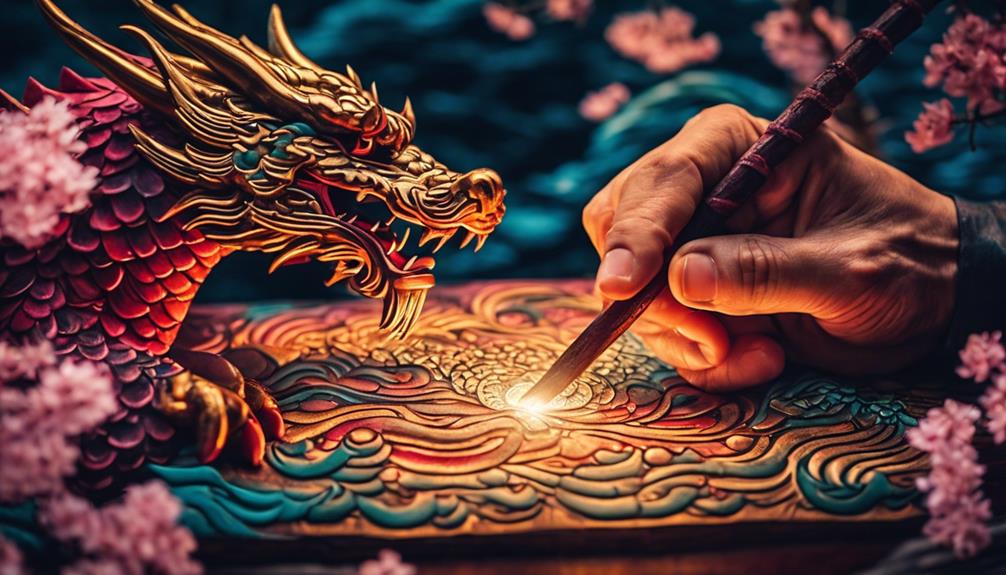
Irezumi, the ancient art of Japanese tattooing, requires intense dedication and cultural understanding. At its core is Tebori, a hand-poking method that creates subtle color gradations and intricate shading.
The Irezumi studio serves as a sacred space where artists bring cultural beliefs to life through ink. The term 'Irezumi' represents more than decoration; it embodies the wearer's identity and values.
Mythological symbols, especially dragons, play a crucial role in Irezumi designs. These creatures represent strength and celestial connections, making them essential elements in traditional Japanese tattoos.
Irezumi artists spend years honing their craft to create living masterpieces. Their work honors age-old traditions while allowing for personal expression, resulting in unique and meaningful body art.
The process of receiving an Irezumi tattoo is often lengthy and requires multiple sessions. This time-intensive approach allows for detailed work and gives the wearer time to reflect on the significance of their chosen design.
Modern Irezumi artists blend traditional techniques with contemporary influences. While respecting historical methods, they incorporate new ideas to keep the art form relevant in today's society.
Designing Your Dragon Tattoo
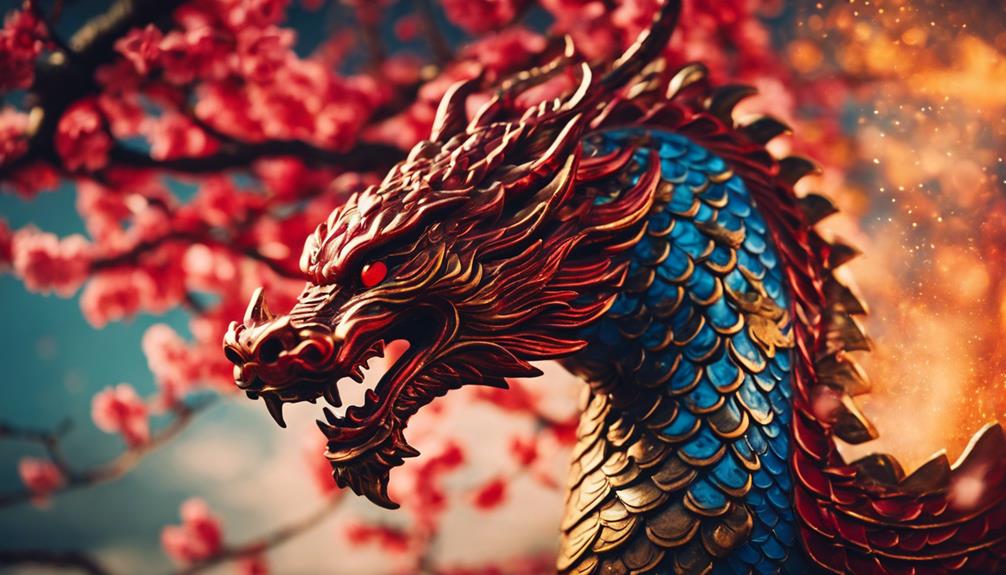
Crafting a Japanese dragon tattoo for your forearm requires careful thought.
Choose scale patterns, facial features, and body positioning that reflect the dragon's qualities you admire most.
Your tattoo should have personal meaning and fit well on your forearm.
Take time to plan the design, ensuring it honors Japanese tattooing traditions while expressing your individuality.
Consider working with an experienced tattoo artist who specializes in Japanese-style designs.
They can help you create a piece that balances traditional elements with your unique vision, resulting in a stunning and meaningful tattoo.
Remember to research aftercare instructions to keep your new tattoo looking vibrant.
Proper care during healing is crucial for maintaining the intricate details of your dragon design.
Dragon Symbolism and Meaning
Dragon tattoos carry diverse meanings across cultures.
In Japan, dragons symbolize wisdom, strength, and good fortune. They're often seen as benevolent guardians, representing natural and spiritual forces.
A forearm dragon tattoo can reflect personal values.
The dragon's body wrapping around the arm might represent protection or life's cycles. Its scales can signify resilience, while its eyes often symbolize alertness and insight.
Color choice impacts a dragon tattoo's meaning.
Black dragons often represent wisdom and experience. Blue dragons symbolize gentleness and forgiveness. Gold dragons are associated with prosperity and good fortune, making them popular for those seeking success.
Understanding these symbols helps create a meaningful design.
The tattoo can serve as a personal talisman, embodying traits or aspirations important to the wearer.
It's crucial to research and consult with a skilled tattoo artist to ensure the design accurately reflects the intended symbolism.
Key Design Elements
Irezumi, the traditional Japanese tattoo style, requires careful attention to detail and respect for artistic traditions.
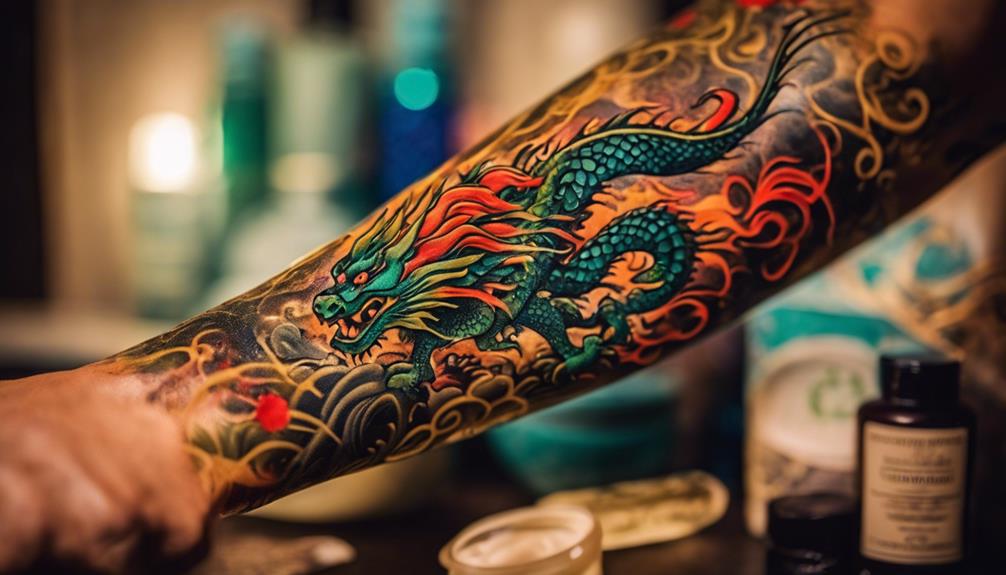
The dragon's body forms the centerpiece, winding around the forearm in a fluid, serpentine shape. The dragon's head serves as the focal point, showcasing fierce eyes and sharp teeth.
Intricate scales cover the body, adding depth and texture to the design. Traditional colors like deep blues, vivid greens, and bold reds bring the tattoo to life.
Black ink outlines and shading define the dragon's form and create contrast. Artists often incorporate background elements such as clouds or waves to enhance the overall composition.
The placement on the forearm is crucial, considering how the design will flow with arm movement. A skilled tattoo artist ensures the dragon appears dynamic and lifelike, even when the arm is stationary.
This attention to detail and placement makes Irezumi dragon tattoos stand out as masterful works of body art.
Personalization and Placement
Personalizing Your Japanese Dragon Forearm Tattoo
Creating a unique Japanese dragon tattoo involves blending personal elements with traditional designs.
Work with your tattoo artist to incorporate meaningful symbols that complement the dragon motif.
This approach ensures your tattoo remains visually striking while telling your personal story.
Optimal Forearm Placement
Consider the natural contours of your forearm when deciding on tattoo placement.
Many choose to have the dragon's head near the wrist, with its body coiling towards the elbow.
This layout showcases the dragon's movement and details effectively.
Alternative options include wrapping the dragon around the forearm or integrating it with existing artwork.
Essential Elements of Dragon Imagery
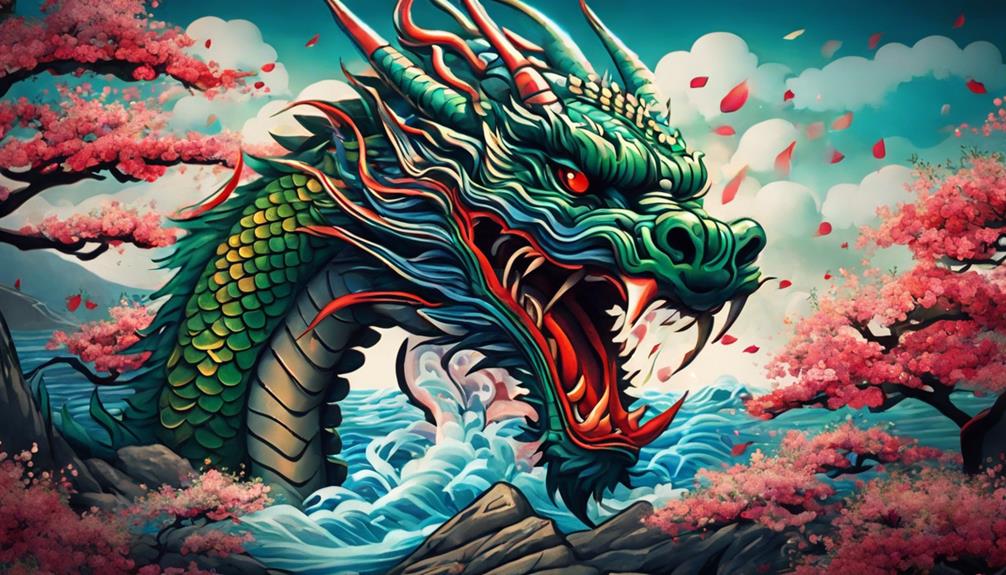
Japanese Forearm Dragon Tattoos: Key Features
Dragon tattoos on forearms in Japanese tradition blend physical and symbolic elements.
The curved body follows arm contours, creating visual movement. A fierce face with a long snout, whiskers, and beard-like features conveys wisdom and ferocity.
Wavy, flame-like scales add texture and represent the dragon's elemental nature. Sharp, curved talons with intricate details show strength.
Curvilinear patterns depict the dragon's breath or flames, adding energy to the design.
These elements combine to create a striking representation of this mythical being.
The tattoo's placement and design choices enhance its impact and integration with the wearer's body.
Each aspect contributes to the overall powerful and mythical presence of the dragon imagery.
Placement and Flow Considerations
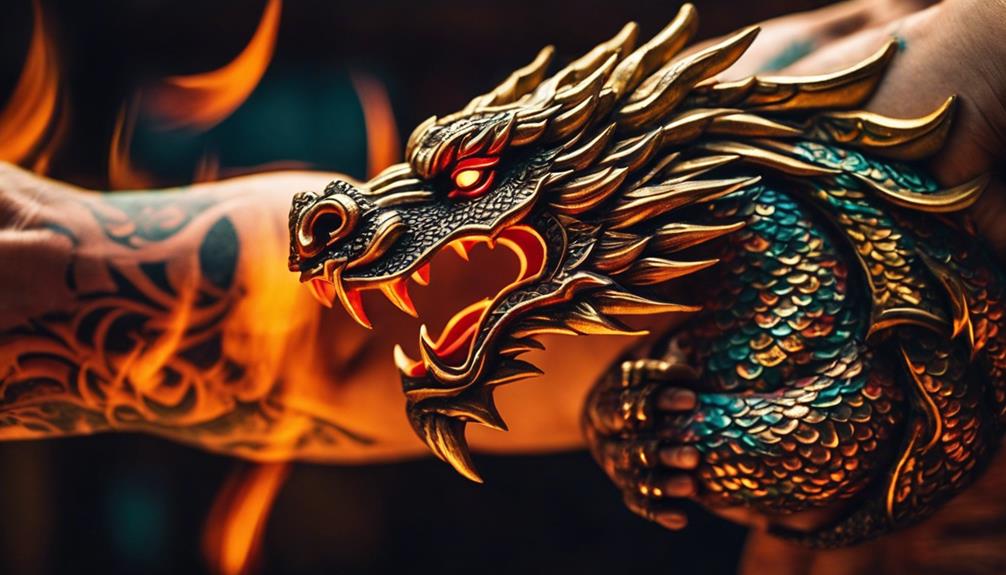
Forearm Dragon Tattoo Placement
Positioning a Japanese dragon tattoo on the forearm demands careful assessment of anatomical features and natural movement.
The forearm's contours and muscles guide the dragon's placement and orientation. Tattoo artists evaluate arm structure to ensure the design complements the limb's natural lines and curves.
Dragon Flow and Composition
Artists often align the dragon's body with the forearm's length, placing the head near the wrist or elbow.
This arrangement allows the tattoo to move naturally as the arm bends and straightens. Wrapping the dragon's form around the forearm creates a three-dimensional effect, enhancing the overall composition.
Pre-Tattoo Preparation
Reputable tattoo studios use stencils or freehand drawing to map designs on clients' skin before tattooing begins.
This approach ensures the dragon's placement harmonizes with the forearm's unique shape. The result is a visually striking and anatomically integrated piece of body art.
Color Symbolism in Dragon Tattoos
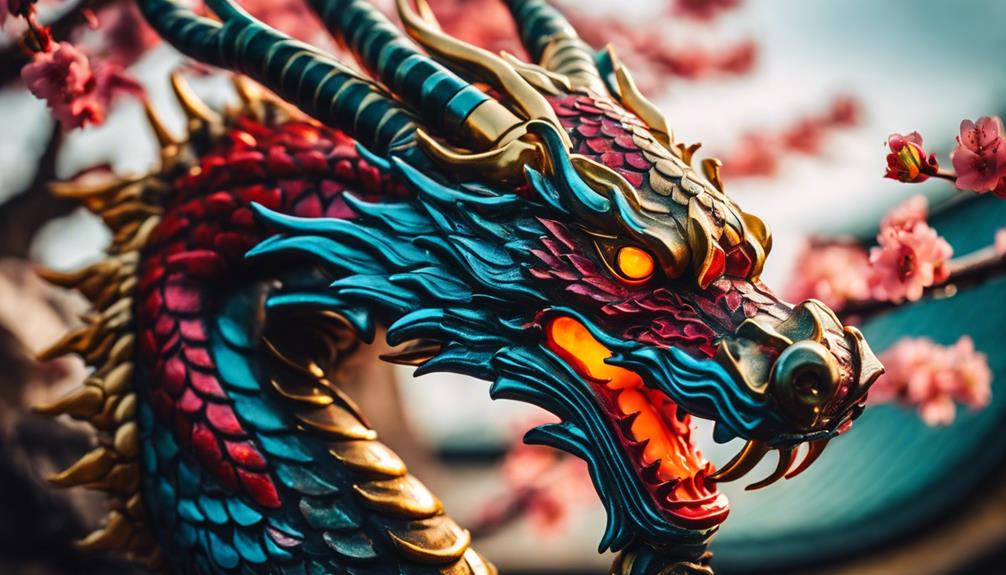
Colors in Japanese dragon tattoos carry deep cultural and spiritual meaning.
Black dragons represent wisdom and cosmic mysteries, while blue dragons symbolize tranquility and benevolence.
Green dragons embody nature and growth, and golden dragons signify wealth and power. Red dragons, common in Japanese mythology, represent passion and determination.
White dragons are linked to purity and the spirit realm. Purple dragons blend stability and energy, often symbolizing nobility and spiritual awakening.
Choosing colors for a Japanese dragon tattoo requires consideration of both visual appeal and cultural significance. Artists and clients work together to create a design that reflects personal meaning and respects traditional symbolism.
Color choice in these tattoos goes beyond aesthetics, serving to enhance the dragon's attributes and convey specific messages.
Understanding the cultural implications of each shade ensures the final piece resonates with intended meaning.
Personalization and Storytelling
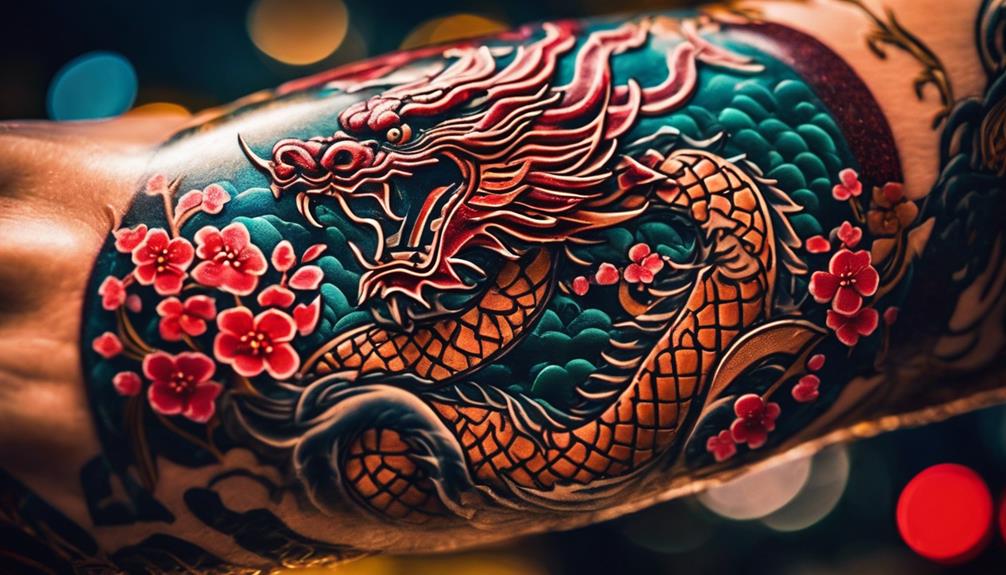
Japanese dragon forearm tattoos offer a unique way to express personal stories through art. These designs blend traditional symbolism with individual experiences, creating visual narratives on skin.
Tattoo artists work closely with clients to incorporate meaningful elements into the dragon's design. Cherry blossoms might represent new beginnings, while waves could symbolize overcoming challenges. The dragon's pose can convey different aspects of personal growth or protection.
The dragon's features, such as claw count, scale patterns, or the presence of a pearl, can carry specific meanings tailored to the individual. This blend of personal symbolism and Japanese iconography creates powerful wearable narratives that honor both cultural heritage and personal journeys.
Customization extends to the dragon's attributes, allowing for a highly personalized representation of the wearer's traits or values. The resulting tattoo becomes a unique visual autobiography, telling a story that's both deeply personal and rooted in tradition.
These intricate designs serve as conversation starters, allowing wearers to share their stories and experiences with others. The symbolism and artistry of Japanese dragon forearm tattoos make them compelling pieces of body art that continue to captivate and inspire.
Modern Interpretations of Classic Designs
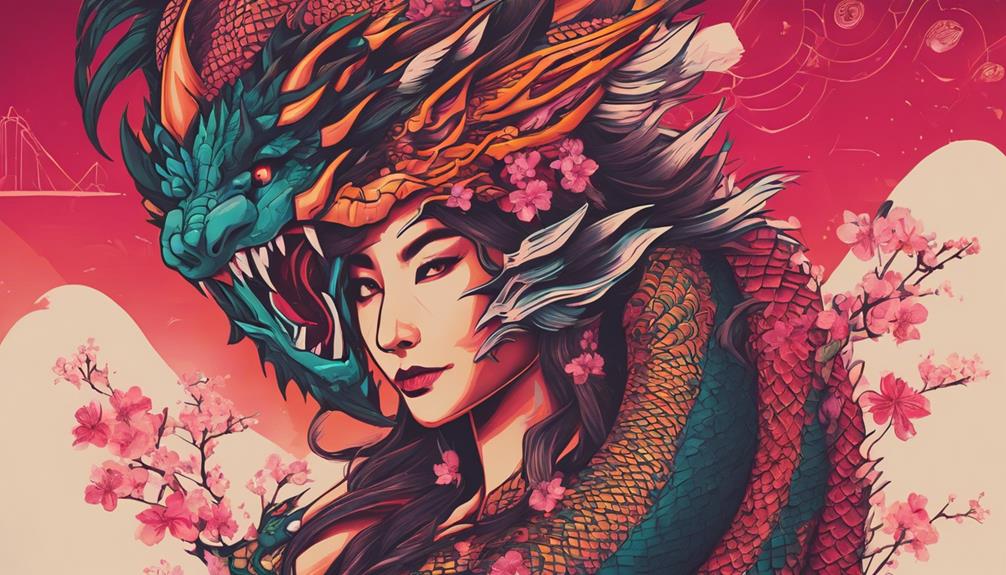
Tattoo artists are putting a fresh spin on Japanese dragon forearm designs.
They're mixing old-school techniques with new ideas, creating pieces that appeal to both traditional and modern tastes.
One popular trend uses black and grey shading in classic dragon tattoos.
This style adds depth to the dragon's features while keeping the bold outlines of Japanese tattooing.
Artists use subtle gradients to make the dragons look like they're moving.
Some tattooists play with negative space, using the skin as part of the design.
Others add geometric shapes or abstract backgrounds.
These new touches give the dragons a modern feel.
The symbolism and spiritual meaning of dragons stay the same, though.
People still get these tattoos as symbols of strength, wisdom, and protection.
Aftercare for Forearm Tattoos
Aftercare for Forearm Tattoos
Japanese dragon forearm tattoos require careful attention after the ink settles. A strict aftercare routine ensures these designs heal properly and stay vibrant for years.
The first few weeks are crucial for tattoo care. Clean the area with mild, unscented soap and apply a gentle moisturizer to prevent infection and promote healing.
Avoid sun exposure and long soaks in water to protect the fresh artwork.
Follow these guidelines closely to reduce complications and achieve the best results.
Regular touch-ups help maintain the tattoo's appearance over time.
Treating your new ink with care preserves the beauty of your Japanese dragon forearm tattoo for years to come.
Cultural Significance and Respect

Japanese dragon tattoos carry deep cultural meaning. Artists and clients should understand the symbolism behind these designs to show proper respect.
Wisdom, strength, and protection are key themes represented by dragons in Japanese mythology.
Research into traditional techniques and folklore enhances appreciation. This knowledge helps maintain artistic integrity while allowing for modern adaptations.
Clients should view these tattoos as more than just decorative pieces.
Learning about dragons in Japanese art history prevents cultural appropriation. It transforms the tattoo into a meaningful tribute to a rich artistic tradition.
This approach fosters genuine cross-cultural appreciation and understanding.
Respecting cultural significance elevates Japanese dragon tattoos beyond aesthetics.
It creates a connection between the wearer and centuries of artistic heritage.
This mindful approach honors the depth and complexity of Japanese culture.
Frequently Asked Questions
What Does Dragon Tattoo on Forearm Mean?
Dragon forearm tattoos represent strength across many cultures.
People choose these designs for personal transformation goals.
What Does a Japanese Dragon Tattoo Mean?
Japanese dragon tattoos symbolize wisdom, strength, and goodwill.
These designs act as personal amulets for growth.
What Are the Rules for Traditional Japanese Tattoos?
Japanese tattoo artists follow traditional techniques and symbols.
Clients must respect the cultural significance of these tattoos.
Is It Okay to Get Traditional Japanese Tattoos?
Cultural sensitivity matters when considering Japanese tattoos.
Research helps avoid unintended offense with traditional designs.